
Analysis of Directly-Elected Mayor Proposal
In June, the Chamber of Commerce proposed putting a question on the November ballot to adopt a “Directly Elected Mayor form of government” in Lawrence. After receiving mixed responses to their proposal, the Chamber has changed their proposal to suggest community engagement and discussion about this idea beyond the November election.
Our coalition analyzed the Chamber’s initial proposal and has determined that a directly-elected mayor form of government is not in alignment with our coalition’s goal of “collaborative governance” that empowers all stakeholders. We offer the following analysis to inform any future conversations on this topic.
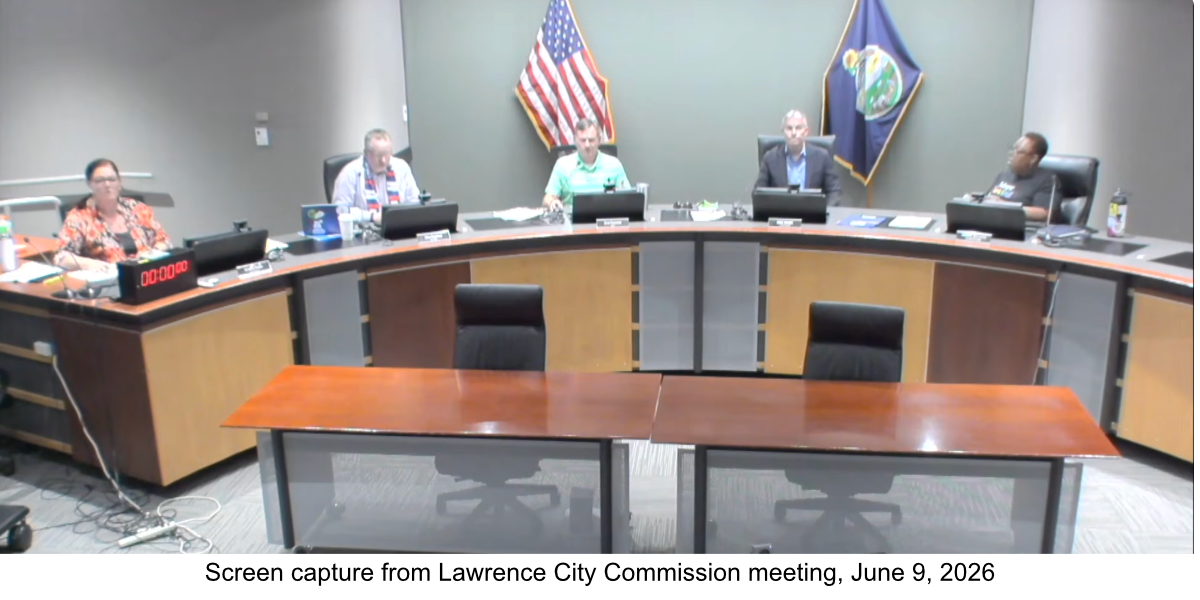
Current System - The City Commission is composed of five Commissioners elected at large, meaning that each one of them represents all Lawrence residents. Each year, the Commissioners select one of their members to serve as mayor for one year. This cycle of rotating mayors distributes power and leadership amongst the Commissioners.
The Chamber’s rationale for a directly-elected mayor is that our City’s governing body needs a single individual who could provide more continuity in vision and leadership over their four-year term.
Our coalition does not believe this is a primary problem for our community, nor one that a directly-elected mayor would solve. Instead, we believe that the current form of Lawrence government is strongly democratic; encourages collaboration amongst our five Commissioners; and provides well-balanced representation for our community.
Concentrated Power - A directly-elected mayor who served for four years would concentrate more power in one individual. A mayor usually sets the Commission’s agenda, appoints members of the Planning Commission and other advisory boards, and meets privately with the City Manager, staff, and other community leaders to guide the City’s work.
With more power, the mayoral office would likely become a target for moneyed interests. The mayoral race would attract more high-dollar campaign donations, which could increase wealthy donors’ influence over local decisions. This would also make running for this position less accessible to those with fewer financial resources or wealthy connections.
Concentrating power at the top can also become what the tech world calls a “single point of failure” in systems that can crash if a single element fails. If an elected mayor proved ineffective, Lawrence would be stuck with them for four years, whereas the current system of distributed power lessens the risk of a poor, or even a corrupt, leader misdirecting the community for years. (If you think concerns about corruption are unfounded, just a decade ago, a Lawrence mayor resigned after embezzling money from his place of employment and using a City credit card for personal expenses.)
Lawrence Voters Recently Rejected a Similar Change in Government – Two years ago, the City convened a steering committee of community representatives to investigate changing our form of government. Their final proposal included directly electing our mayor, expanding the Commission to seven members, and creating districts, but Lawrence voters rejected this ballot measure. Therefore, our community has already voted against a proposal for a directly-elected mayor just two years ago.
One reason people voted against this proposal was because the districts weren’t defined before voters went to the polls. Similarly, the Chamber originally proposed that a November ballot measure would only ask voters if they wanted to change Lawrence’s form of government, but it would not have included any details about the new mayoral role. Instead, after the voters approved the ballot measure, the City Commission would make the final decisions defining the new mayor’s role.
Our coalition believes that ballot proposals should always tell voters exactly what they are voting for. Therefore, we don’t believe details about a four-year mayor’s role should be left up to just five Commissioners, some of whom may choose to run for that office in the future. The public should vote on a proposal that is clearly defined.
Now Is Not the Time – Lawrence is currently managing many challenges – a lack of adequate housing, a declining population, slow economic growth, rising property taxes and utility fees, and, like the rest of the nation, a general affordability crisis. Our City is struggling to balance their budget and sustain existing services, a struggle they’ve faced for several years in a row. These are the issues our community needs to attend to right now, and exploring a proposal for a directly-elected mayor would divert time and attention away from these important issues.
Also, the Commission just hired Majed Al-Ghafry to serve as our new City Manager, a primary leadership position in Lawrence government. His leadership may provide the continuity and vision the Chamber thinks a directly-elected mayor would provide.
Other Options – How could the City address the Chamber’s goal of improved vision, continuity, and leadership within the current collaborative system? How might we better empower our current Commissioners?
Currently, the Commission’s meetings, discussions, and actions are primarily responses to staff reports and presentations. Allowing each Commissioner to bring proposals to the Commission would bring more creative thinking to the table, and allowing the Commissioners to hold more meetings where they direct discussions and initiatives would empower them to execute their vision and bring continuity to their work with the community.
Our current Commissioners are paid $22,000 a year to run a City with a budget of more than $400 million. If you assume that their work is, at minimum, a half-time job, they are paid $22 an hour. For comparison, our City lifeguards make between $14 and $18 an hour, while our new City Manager makes about $165 an hour, plus benefits. When our Commissioners make 7% of what the City’s top-paid administrators make, how do we expect them to provide leadership with continuity and vision? Instead, in addition to their Commission position, they have to have a full-time job or a high-paid part-time job, or they have to be independently wealthy, supported by a spouse’s income, or retired.
Paying the Commissioners adequately would allow them dedicate more time to their leadership roles serving the public. It would better empower them to analyze City projects and policy, engage with Lawrence residents, and execute a joint vision with the community.
Empower the Voters – Local voters could also be more empowered if we returned to Lawrence’s previous election system in which three of the five Commissioners were up for election each year, with the third-place candidate getting a two-year term. According to the City’s own documentation, this system was in place to ensure “that every election has the potential to replace a majority of the Commission.” In 2023, the Commission changed this system so all Commissioners would get a four-year term to improve continuity and experience on this governing body. While this reasoning was understandable, the community did not get to vote on this change that reduced our electorate’s power.
Our coalition advocates for transparent, collaborative, and accountable governance with community involvement. We believe that a directly-elected mayor would move our City government away from vision, while further empowering City Commissioners and voters could better realize this vision.